
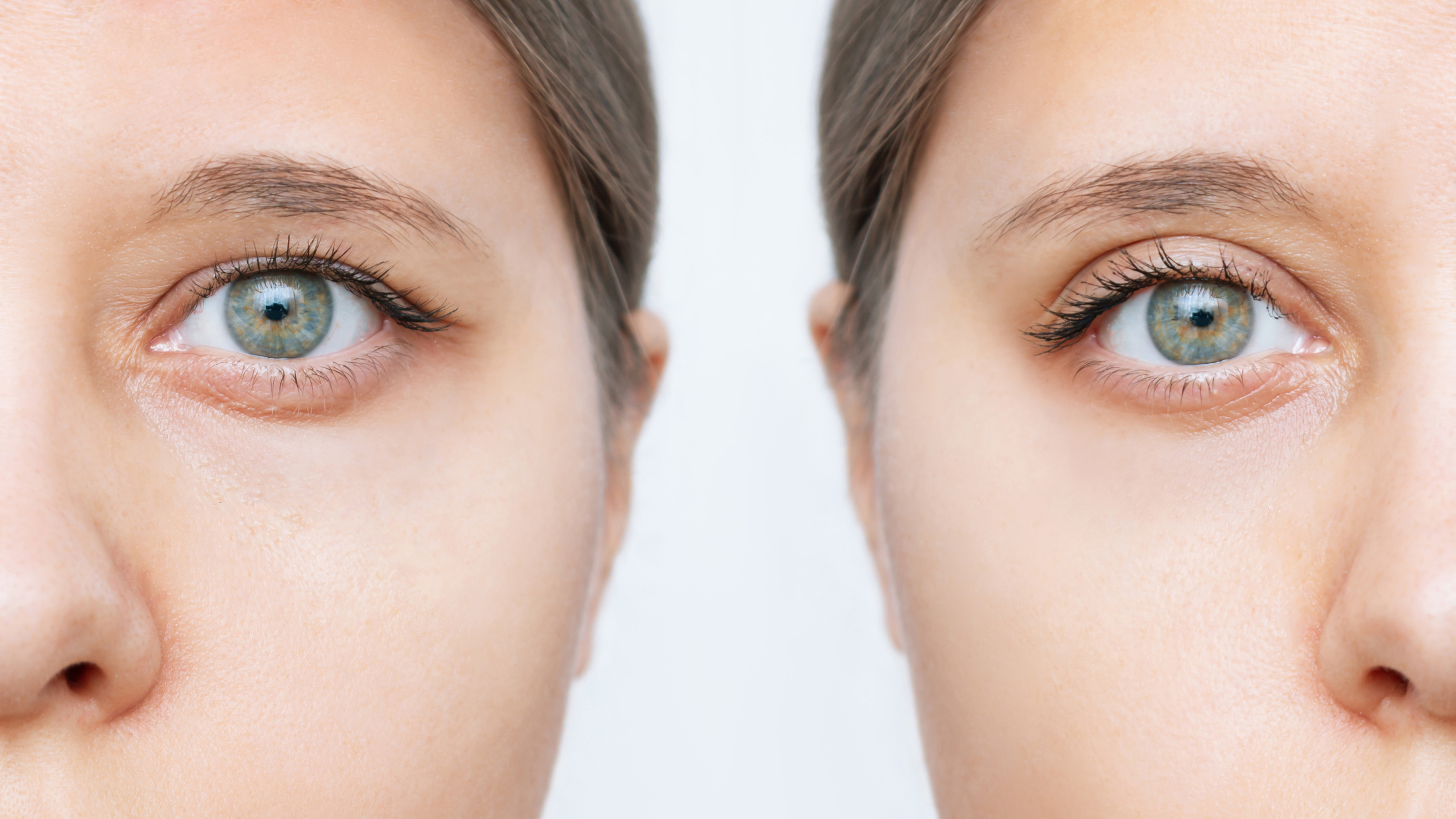
Eyelid surgery is one of the most effective ways to enhance the look of the eyes. It refreshes the eyes, creating a more awake, youthful appearance. Many people consider the procedure due to the signs of natural aging around the eyes. This includes fine lines, wrinkles, and sagging skin. This can make you look tired, angry, and much older than you are. Blepharoplasty is a popular procedure that addresses each of these issues. It is personalized to meet the unique needs of your anatomy and your aesthetic goals. Below, you will find more information about customized blepharoplasty, specifically how the surgeon tailors eyelid surgery to your ethnic features.
Customized Blepharoplasty: Tailoring Eyelid Surgery to Your Ethnic Features
The signs of aging impact people of all ages and ethnicities. However, every eyelid is not shaped the same. Additionally, not every patient wants the same look. This is why customized blepharoplasty is so important. The approach focuses on enhancing your natural features, rather than changing them.
Preserving Your Natural Beauty
Customized blepharoplasty focuses on enhancing your natural appearance. The procedure is not a one-size-fits-all approach for any group of people. Each patient receives a personalized treatment plan tailored to their anatomy and aesthetic goals. The oculofacial plastic surgeon considers the natural eyelid shape, skin thickness, crease height, and overall facial balance. This evaluation ensures you get the most from blepharoplasty.
Blepharoplasty Procedure: What to Expect
Moving forward with blepharoplasty begins with a consultation. The surgeon will examine your eyes and facial structure. They will also assess your current health and medical history. This is necessary to ensure you are a good candidate for the procedure. Once it has been determined that you are a good candidate, photos will be taken. This is necessary to create a customized treatment plan and assess your results. From there, you will receive preoperative instructions and can schedule your surgery.
Blepharoplasty is performed on an outpatient basis, so you are able to go home the same day. Anesthesia is used to ensure your optimal comfort. Some patients receive local anesthesia with sedation. However, others may receive general anesthesia. This will be discussed at your consultation so that you will be prepared on the day of surgery. The surgeon will mark your eyelids before surgery.
Surgery begins with small incisions to remove the excess skin, muscle, and fat from the area. The muscle is then tightened to provide ample support to the upper eyelid. The skin is also tightened and smoothed out. The sutures are then closed. They are strategically placed in the natural crease of the eyelid. This conceals any scarring as they are nearly undetectable once you have fully healed. The procedure takes roughly one to two hours, depending on the complexity of the case.
Recovering from Blepharoplasty
Immediately after surgery, you will spend some time in the recovery room. Once the anesthesia wears off, you will be free to go home. You must bring a trusted friend or family member with you to drive you home. It is ideal for them to stay with you for the next few days as you recover. They can administer your medication, help with meals, and assess your recovery progress. Before you go, you will be provided with instructions on how to care for yourself after surgery.
You will experience swelling, bruising, and mild discomfort after surgery. This is completely normal and will gradually subside as you recover. The best way to combat swelling is to use cold compresses and keep your head elevated. Avoid bending over and sleep with pillows propping you up. Medication can be used to manage any discomfort. You should feel much better after the first few days. Light walking is recommended to help with blood flow and promote healing. Take things slowly at first, as it is important to avoid doing too much too soon.
Be sure to attend all of your follow-up appointments. The surgeon can assess your recovery. If any modifications are needed for your recovery process, they can advise you at the appointment. Most patients return to their routine within 2 weeks. Be sure to consult with your surgeon before engaging in strenuous exercise. When it comes to your results, you should see them immediately. However, it can take a few months to see your final results.
Top Oculofacial Plastic Surgeon for Blepharoplasty
Your eyes are an integral part of your overall facial aesthetic. If you want to refresh your eye look, contact the team at Chicago Oculofacial Consultants today to schedule your consultation!